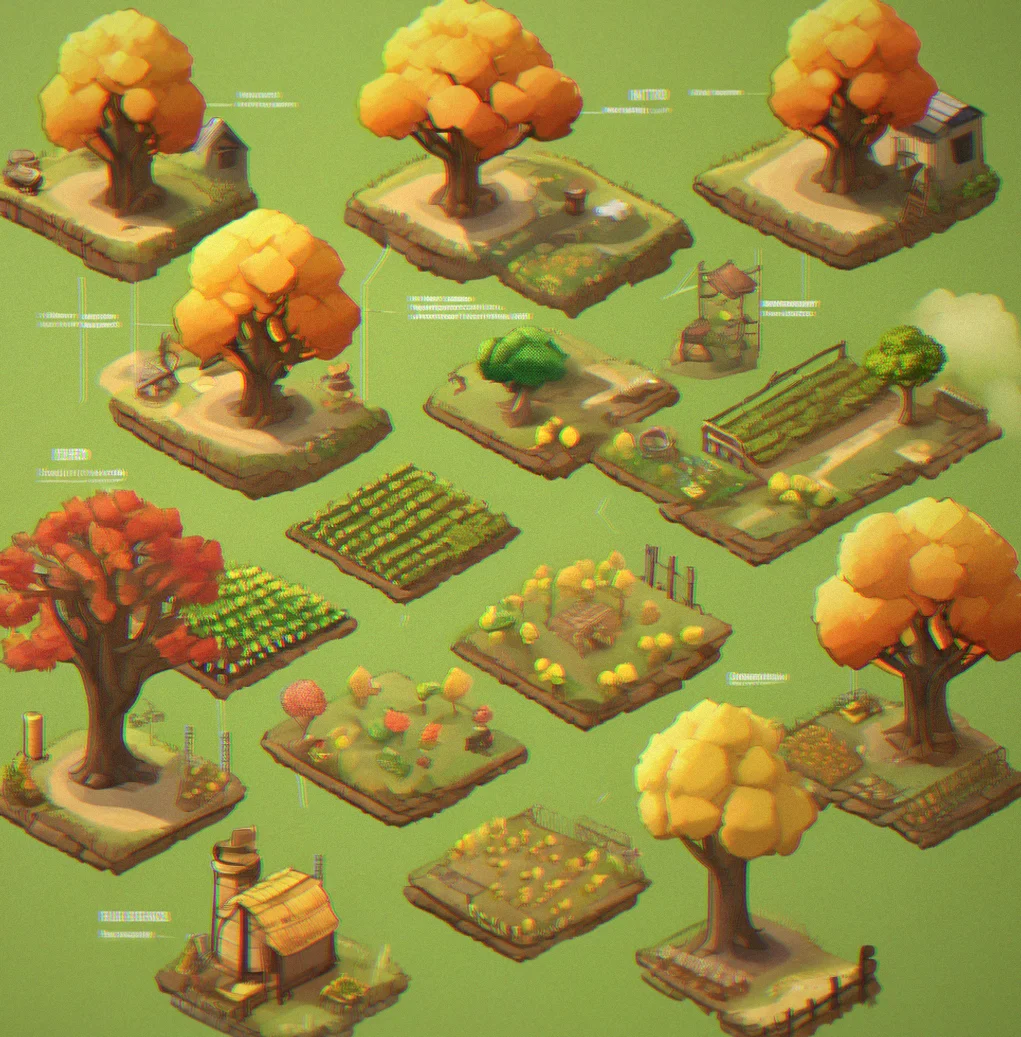
Resource trees scale with you
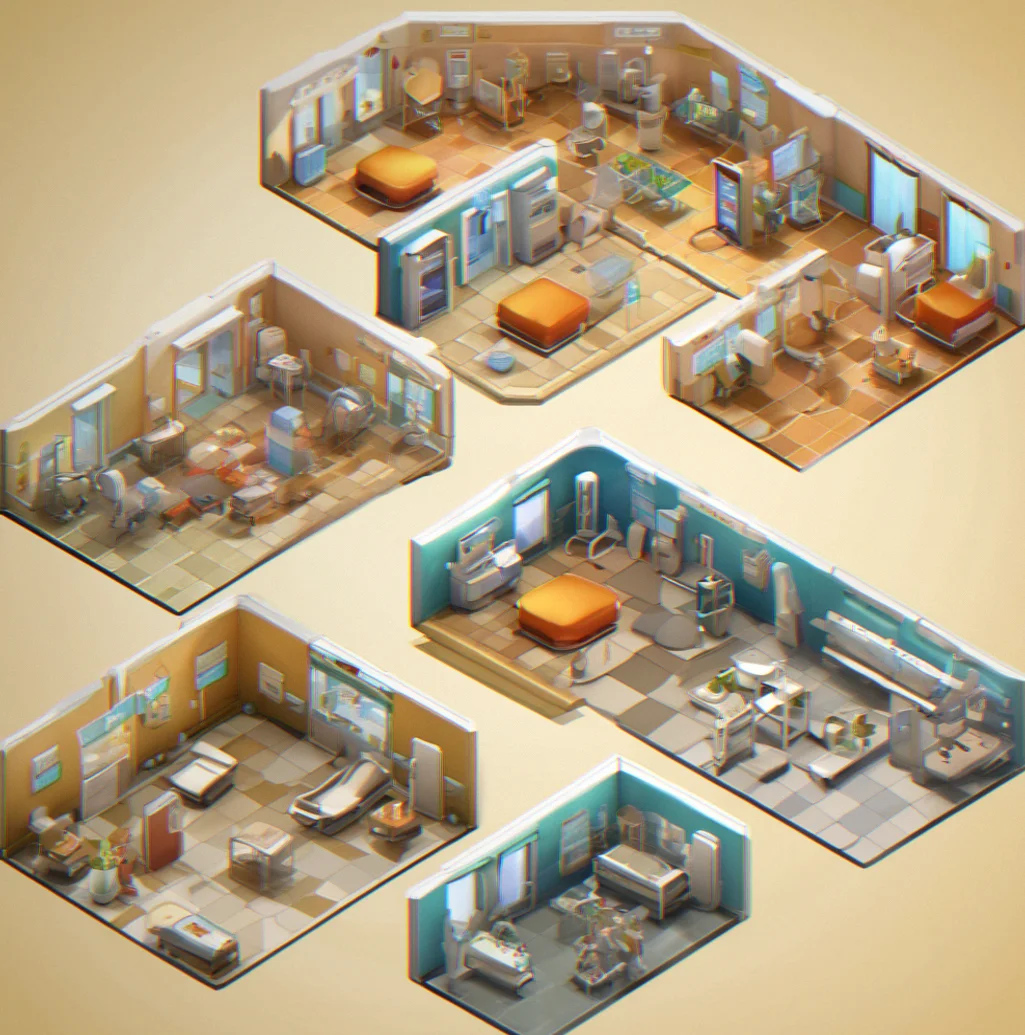
You start small. Basic crops or a small clinic. As you play, you unlock new buildings, decoration themes, and upgrades. No arbitrary level gates. The tree grows as you do.

Mobile sims that don't suck
Customization that feels worth your time, paired with gameplay you can play for half an hour or an hour each day without burning out.
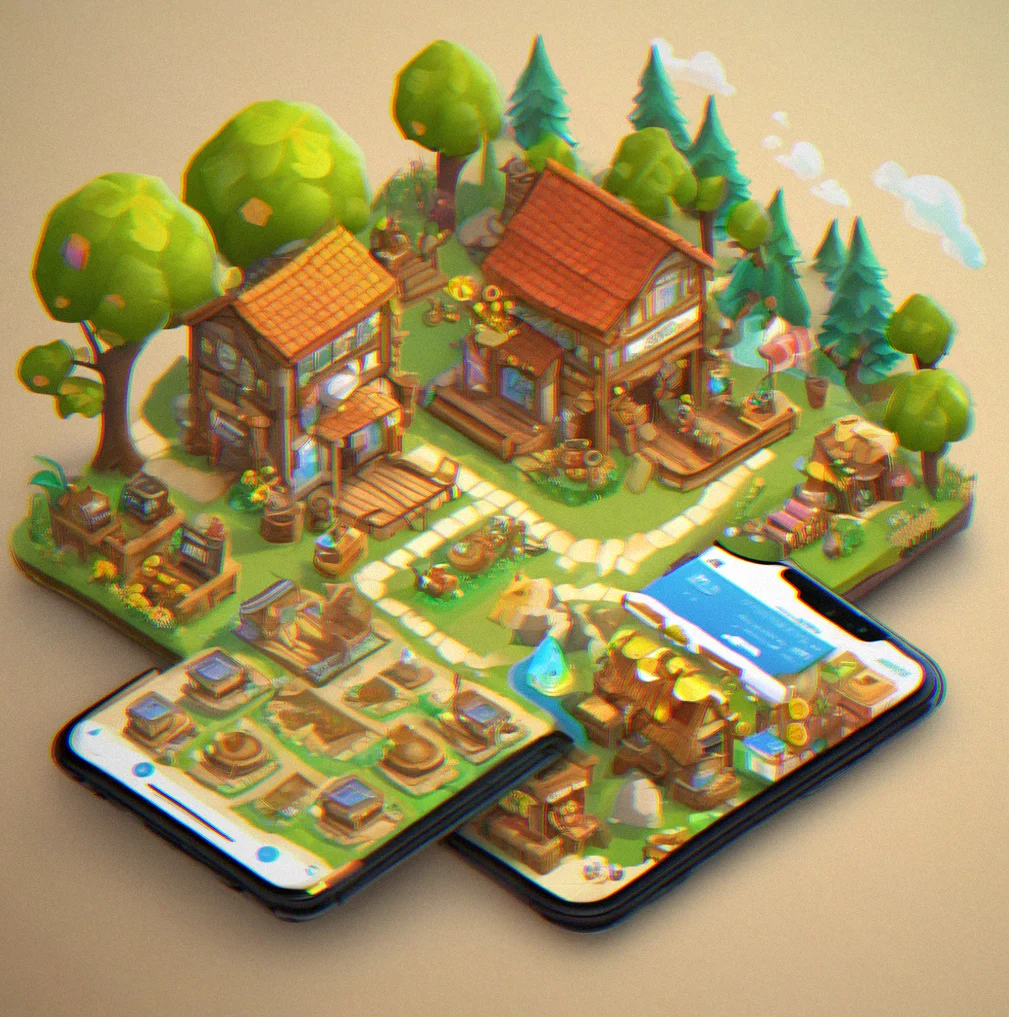
Smooth Agency makes mobile sims for people who want to actually progress without it turning into a second job. Imagine Hay Day's farm management, Stardew Valley's look and feel, and Two Point Hospital's sandbox systems, but on your phone. Resource trees. Character customization. Idle hybrid stuff that works whether you're actively playing or just letting things tick over in the background. No multiplayer drama. It's just you, whatever you're building, and game systems that don't waste your time.
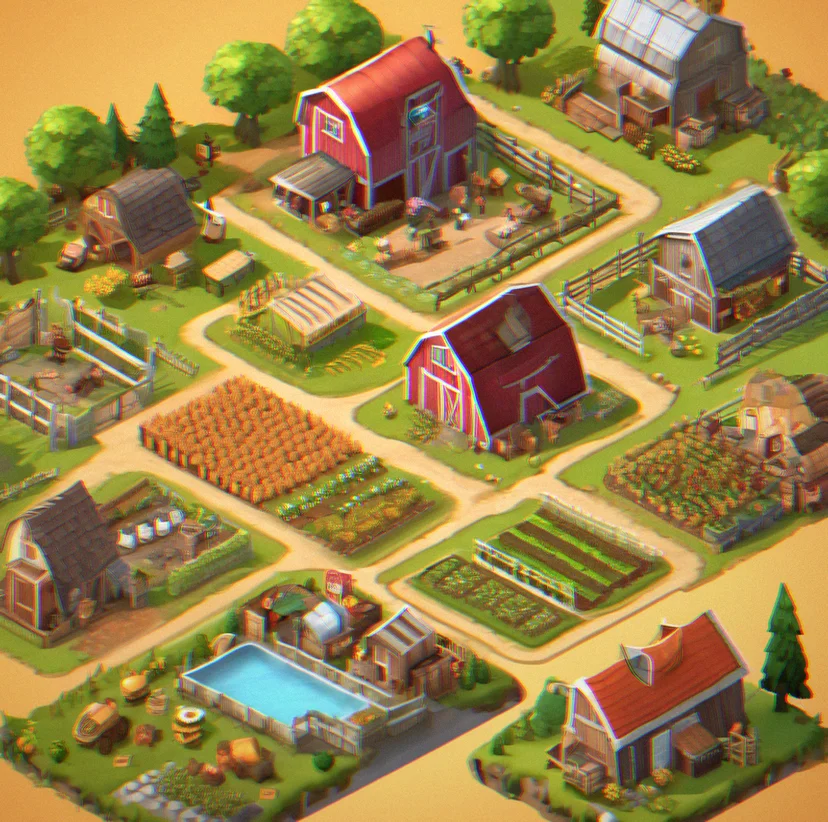
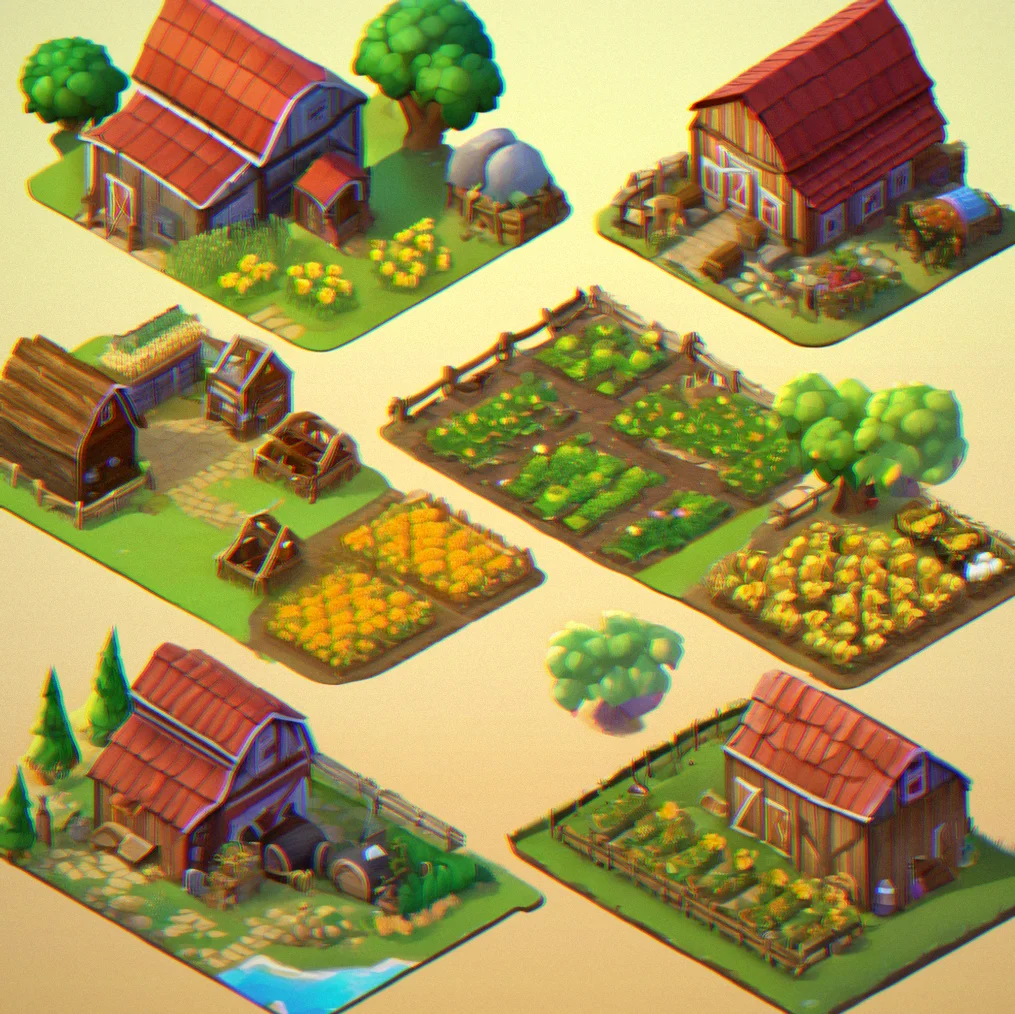
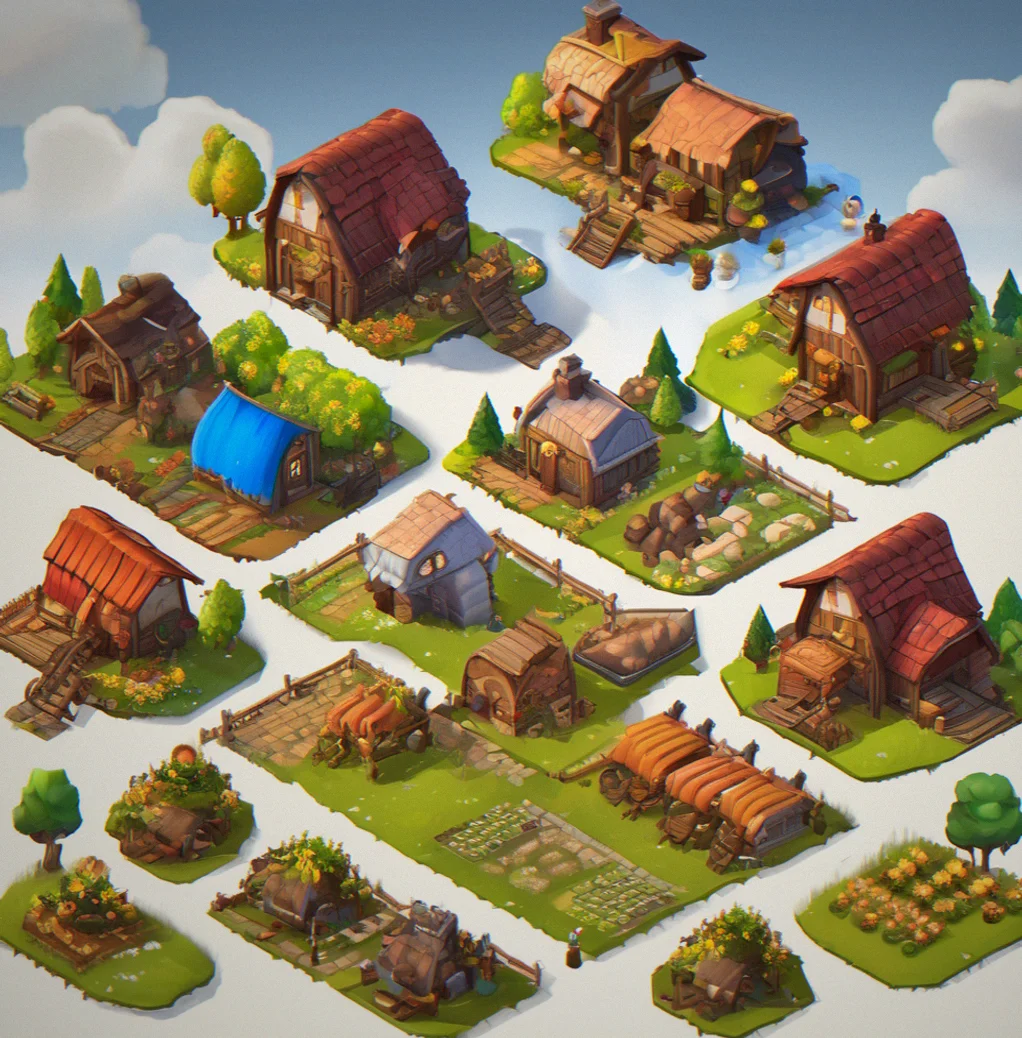
Your farm or hospital or whatever you're building looks completely different from everyone else's. That's kind of the whole idea. The game layers customization mechanics into resource trees. Unlock a new building style and suddenly you're staring at something like 40 color variants. Paint your storefront. Rearrange your plots however you want. Build your whole aesthetic from scratch. And here's the thing — it's not just window dressing. These choices loop back into how you progress, which means both the person grinding resources nonstop and the one who pops in for five minutes to grab passive income feel like they're getting rewarded. Active players unlock stuff faster. The idle stuff? It's actually fine. Generous, even. You're not getting punished for not obsessing over the game.
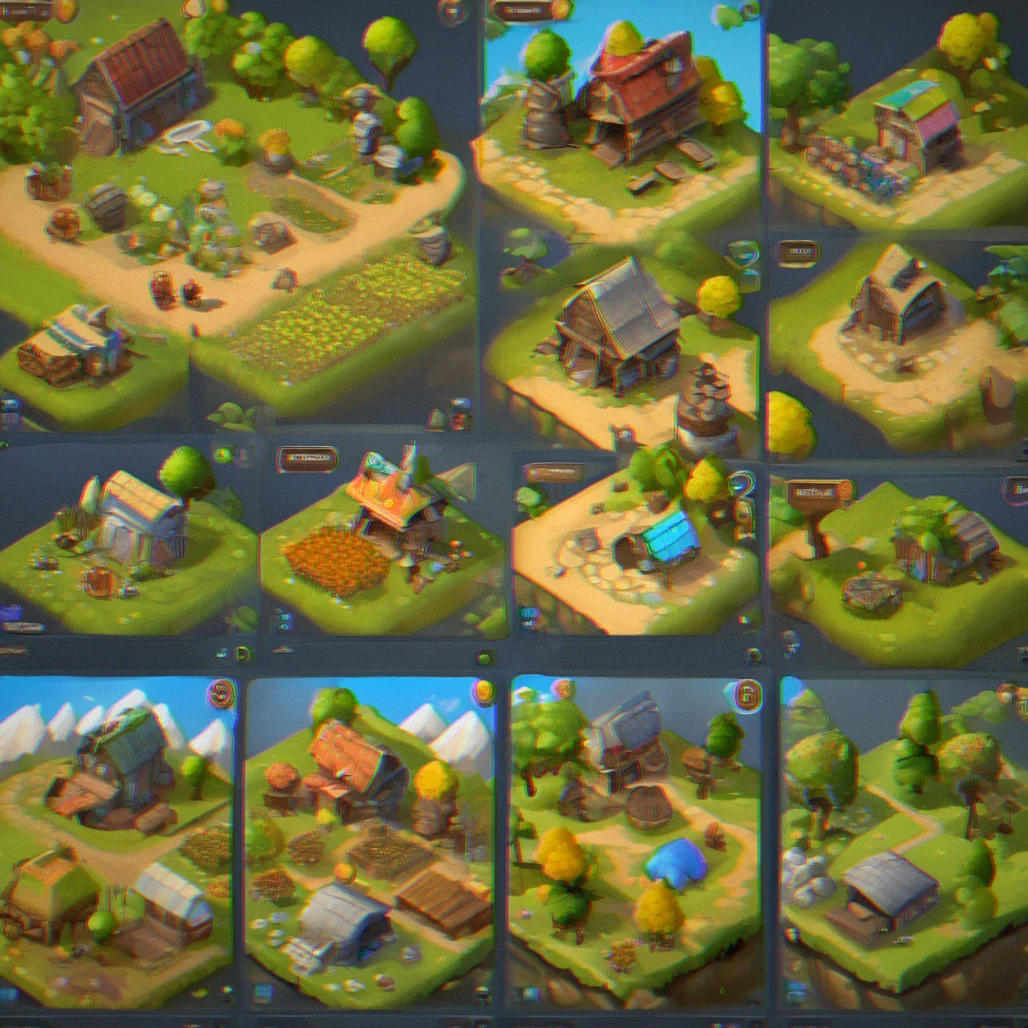
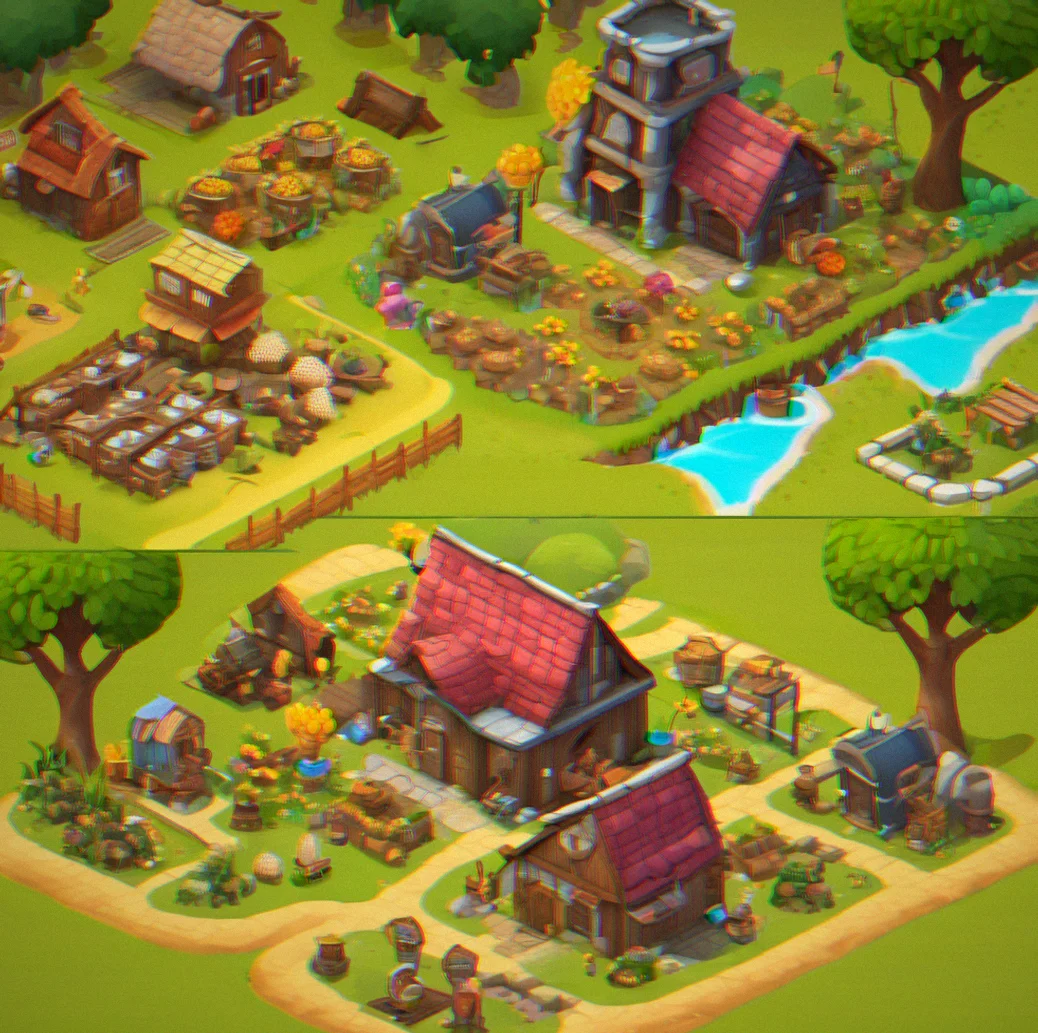
Most mobile games turn their progression systems into this grinding nightmare, right? The problem is they design it all wrong — dump the grind first, patch rewards on later. We do the opposite. Your resource trees open up at a realistic pace for someone who plays 30 to 60 minutes a day, not someone chained to their phone for hours. Maybe you unlock a new crop variety, or add a wing to your hospital, whatever makes sense for your game. You can obviously grind harder and speed things up. But miss a few days and your passive income keeps ticking along. Life happens. You won't get punished for it. There's also this thing where early mechanics don't just vanish. You can upgrade them later, stack them together, repurpose them entirely. They stay useful instead of getting swapped out for whatever's new.
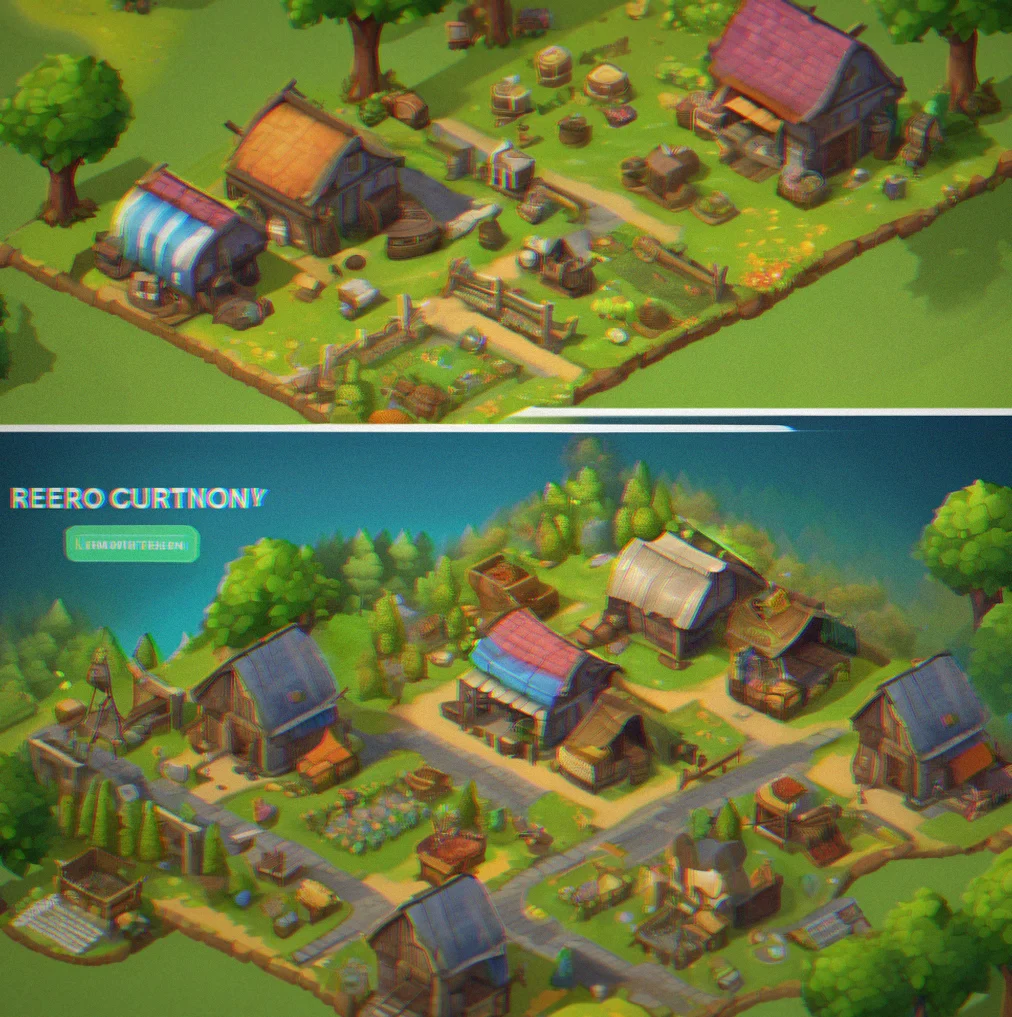
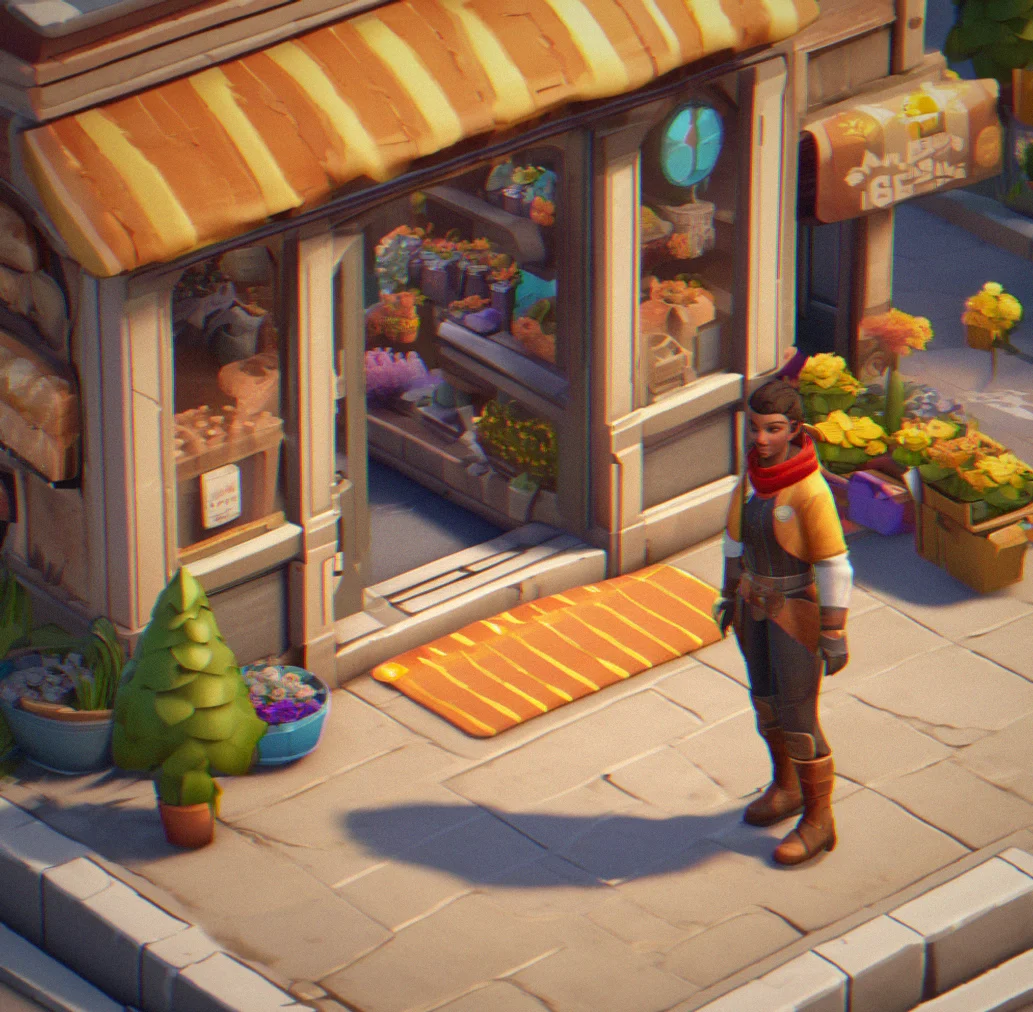
Your farm or hospital actually looks like something you built, not like everyone else's. Paint the buildings. Unlock different outfit options. Arrange your plots however feels right. And these choices aren't just cosmetic either — they tie into how you progress, not just sitting around looking nice.
Leave the game alone for half a day. When you come back, you've got real stuff waiting. Not chump change. Not some half-baked feature thrown in at the last second. Your passivve income grows based on what you've already built, so whether you're playing constantly or just checking in, it all counts.
New stuff unlocks at a speed that works if you're playing 30 to 60 minutes a day. Early upgrades don't become dead weight because you can stack them together, combine them in new ways, experiment. Nothing gets left behind.
No rankings. No live battles where you have to show up at a specific time. No one else's expectations messing with your own pace. You're building for you.
You start out with something basic. Plant crops, tend your farm. Then decorations open up, which unlock themed building packs, wihch unlock character skins tied to those packs. Everything connects to everything else. It all feels like one thing, not a bunch of separate systems glued together.
Made for people with half an hour a day to kill, not half their week.
You start small. Basic crops or a small clinic. As you play, you unlock new buildings, decoration themes, and upgrades. No arbitrary level gates. The tree grows as you do.
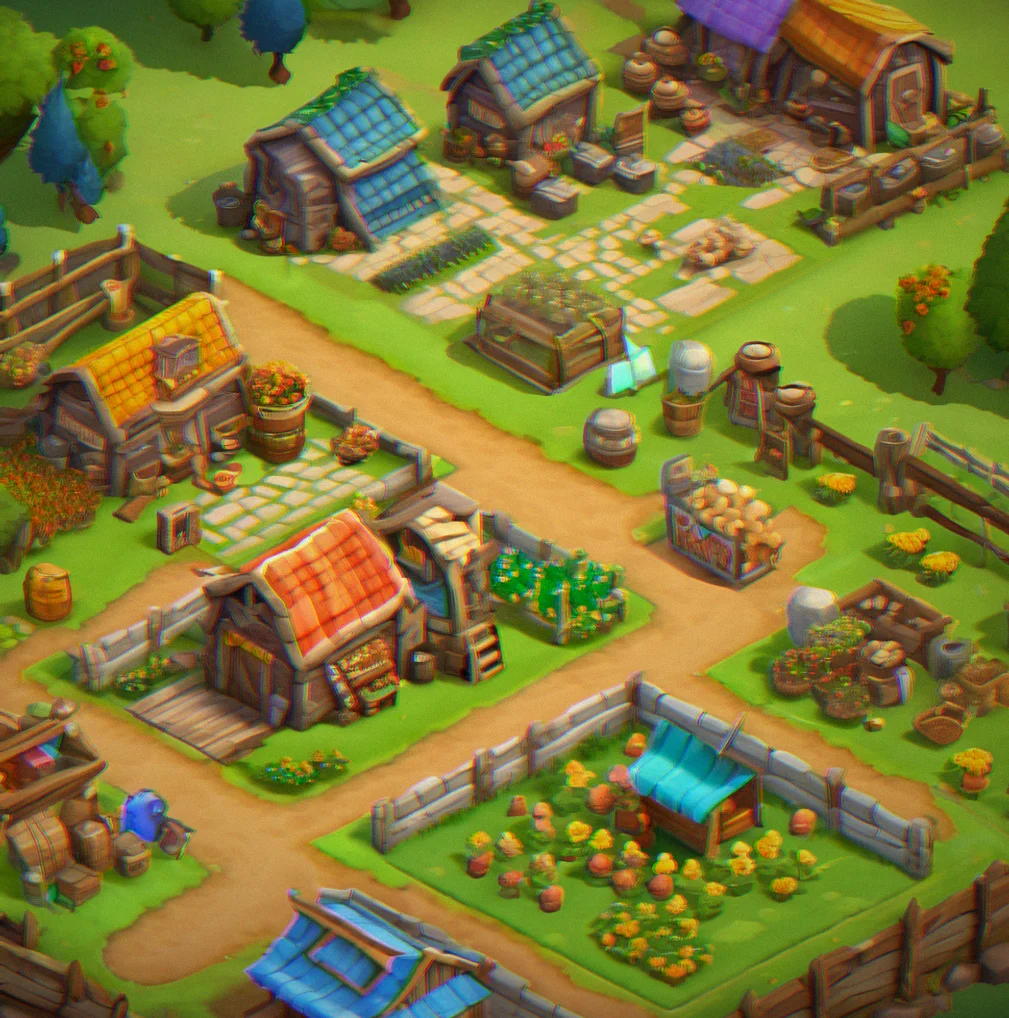
You can grind for faster unlocks. Or log out and let passive income stack up while you're gone. Both work. Neitber one punishes you. Your choice actually matters.
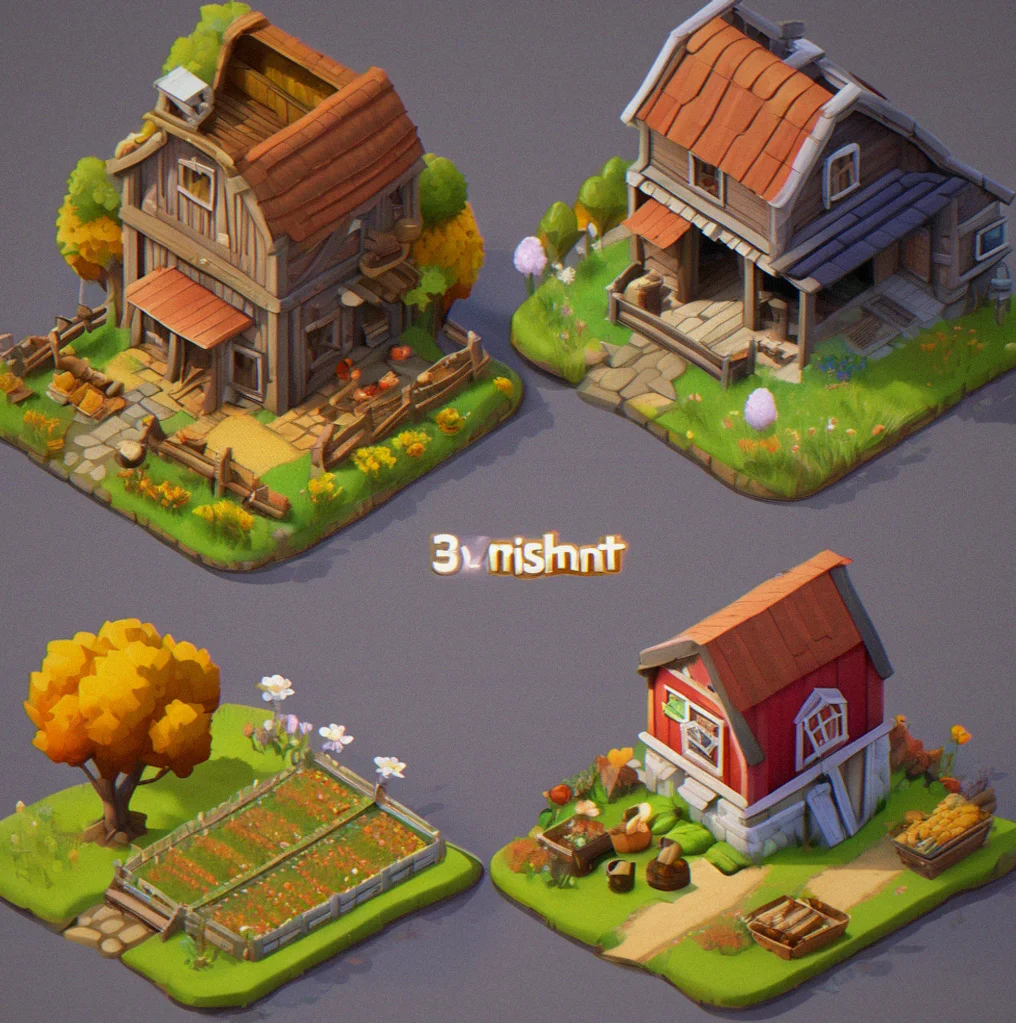
More than just color swaps. You pick build styles, plot layouts, character outfits, building interiors. Sixty-plus decision points across the whole game. Nobody else's farm or hospital will look like yours.
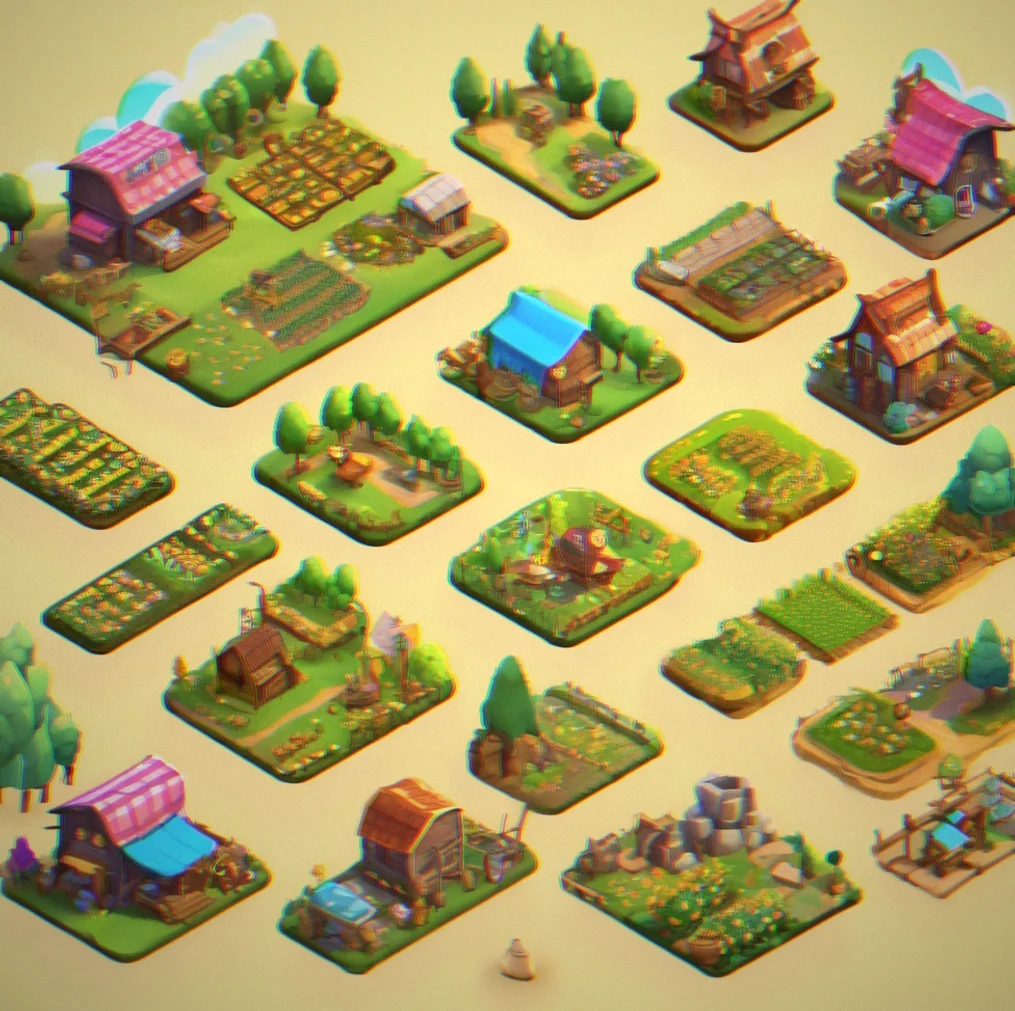
No leaderboards. No raids scheduled for someone else's timezone. Build when you want. Progress at your speed. There's nothing to compete for.
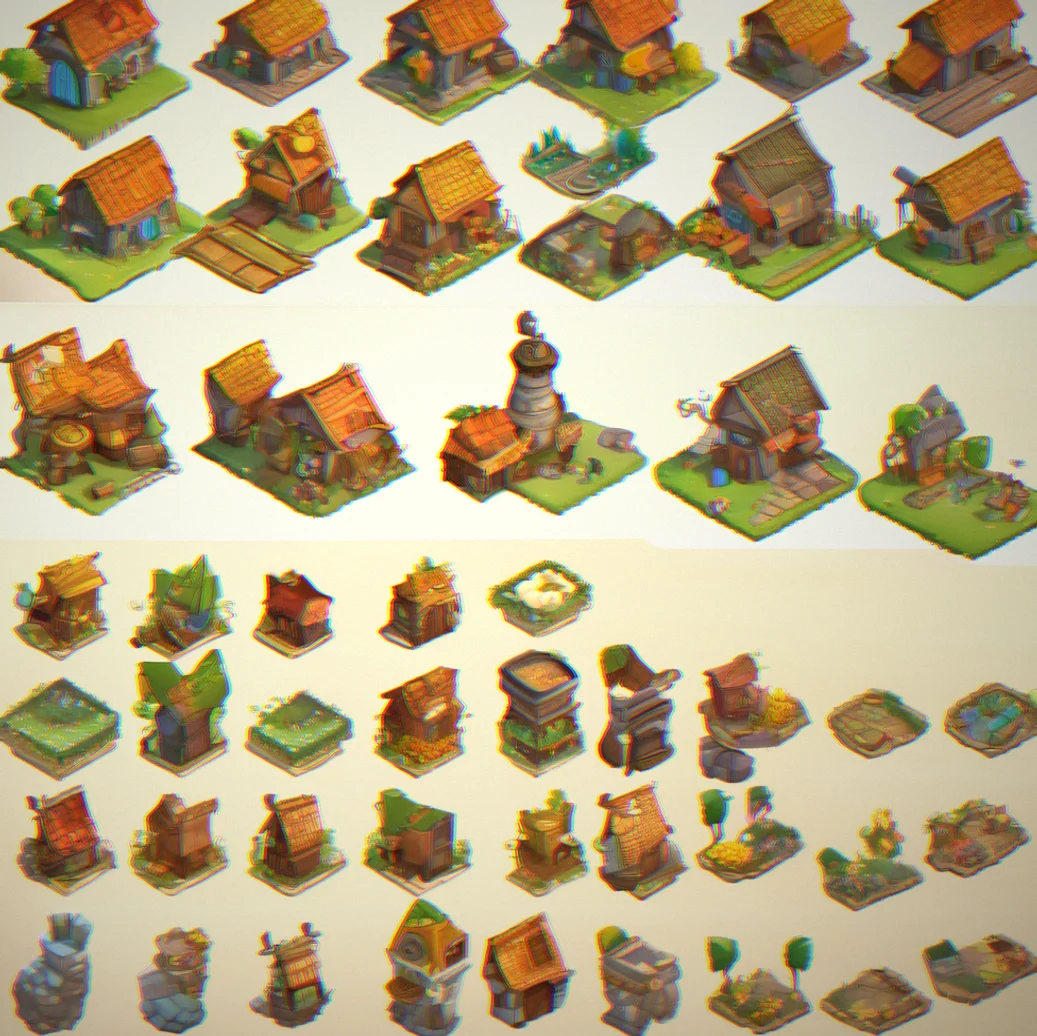
Decorations unlock themed building sets. Those sets open up cosmetics. Cosmetics tie into character progression. It all connects. Each system feeds the next one.
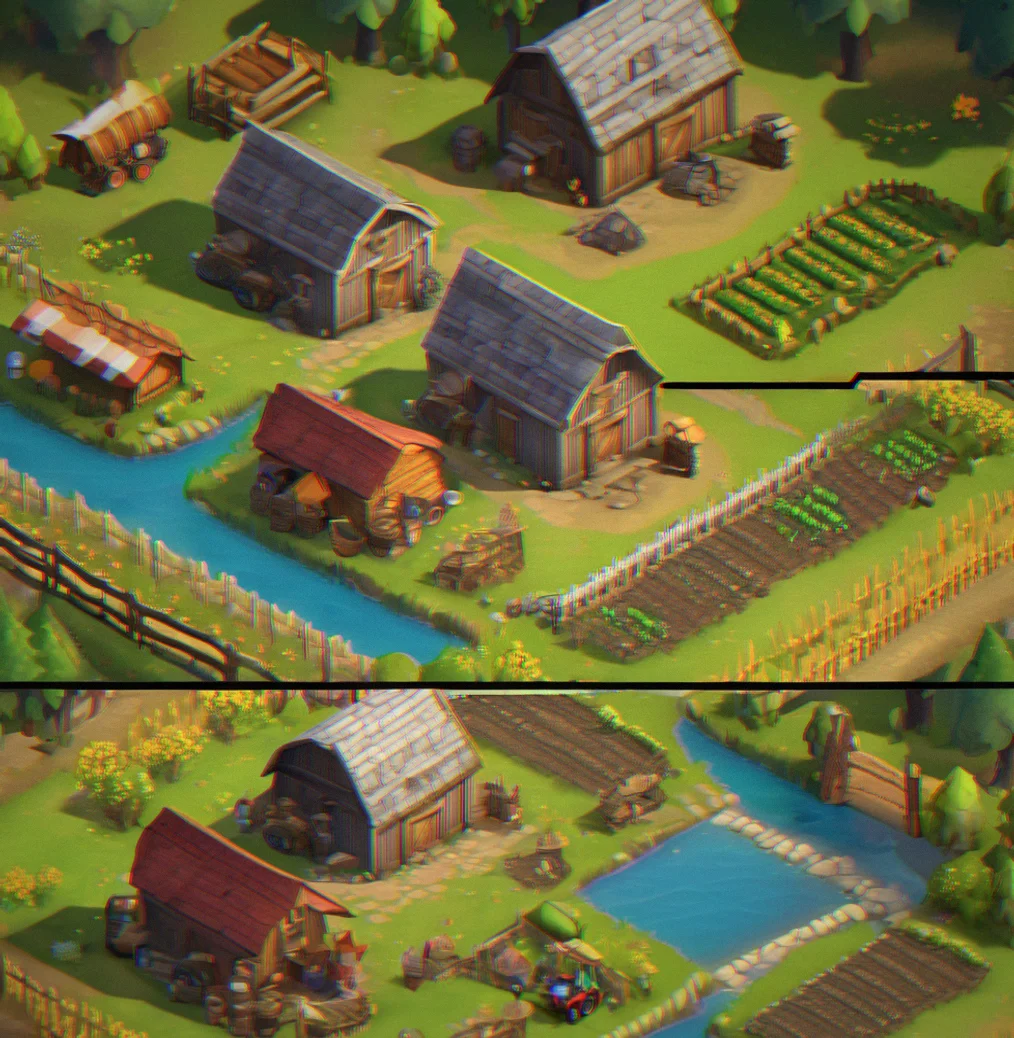
That first farm plot or clinic ward doesn't get thrown away when you progress. Upgrade it. Customize it. Layer new systems on top. Your early work still matters.
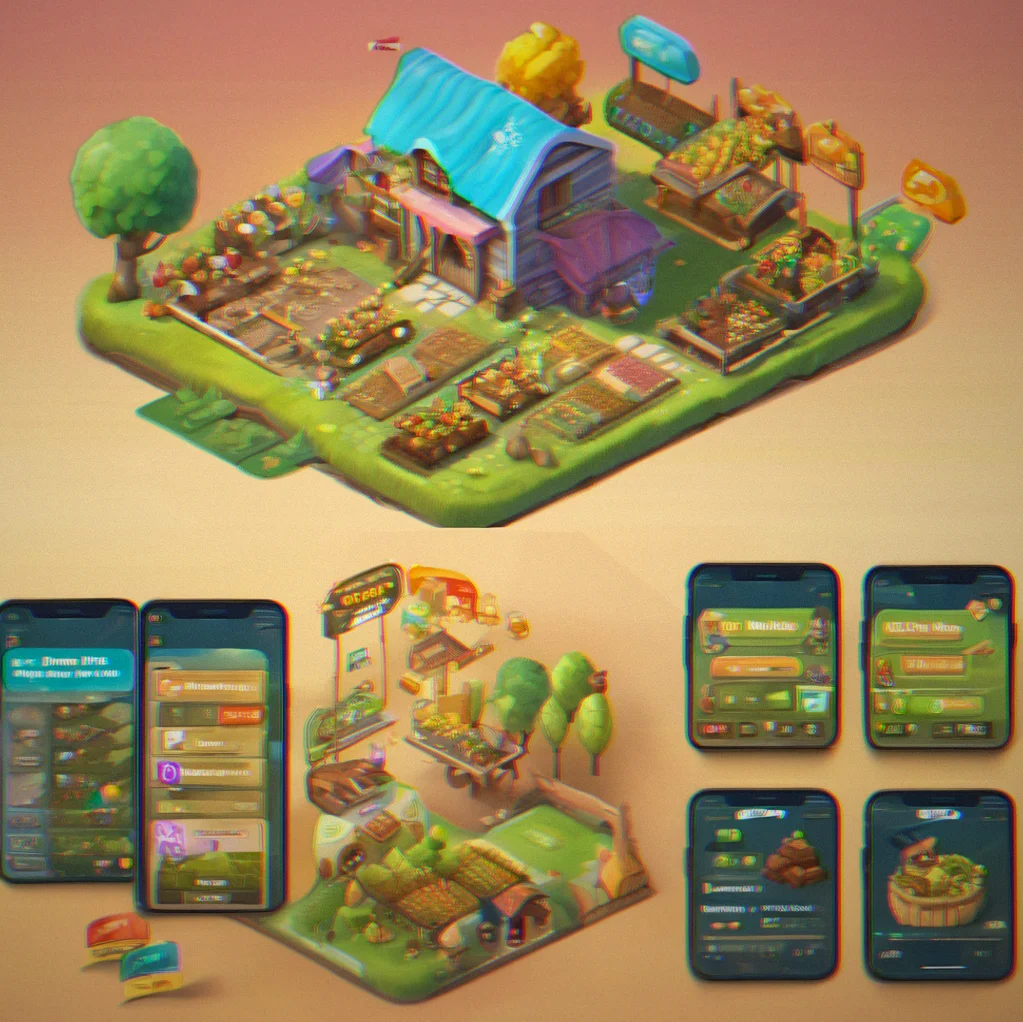
Five minutes. Thirty. An hour. The game adjusts. Resource generation, unnlock pacing, idle rewards. All built for people with actual jobs and families and other things to do.
The stuff you customize actually matters. You're not just slapping a coat of paint on a fixed world — you're building something that reflects how you want to play. Color your barns, arrange your fields, unlock new building styles. As you progress, you unlock more options to theme things your way.
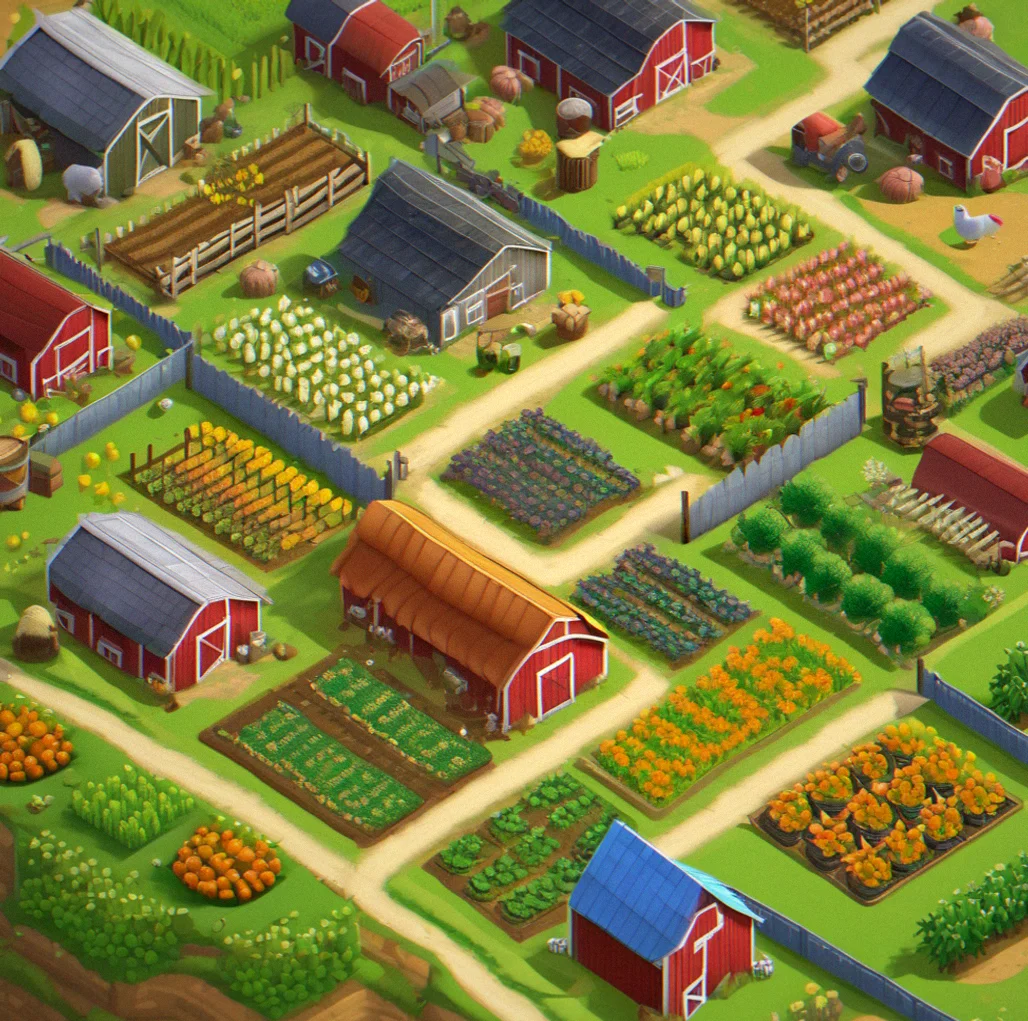
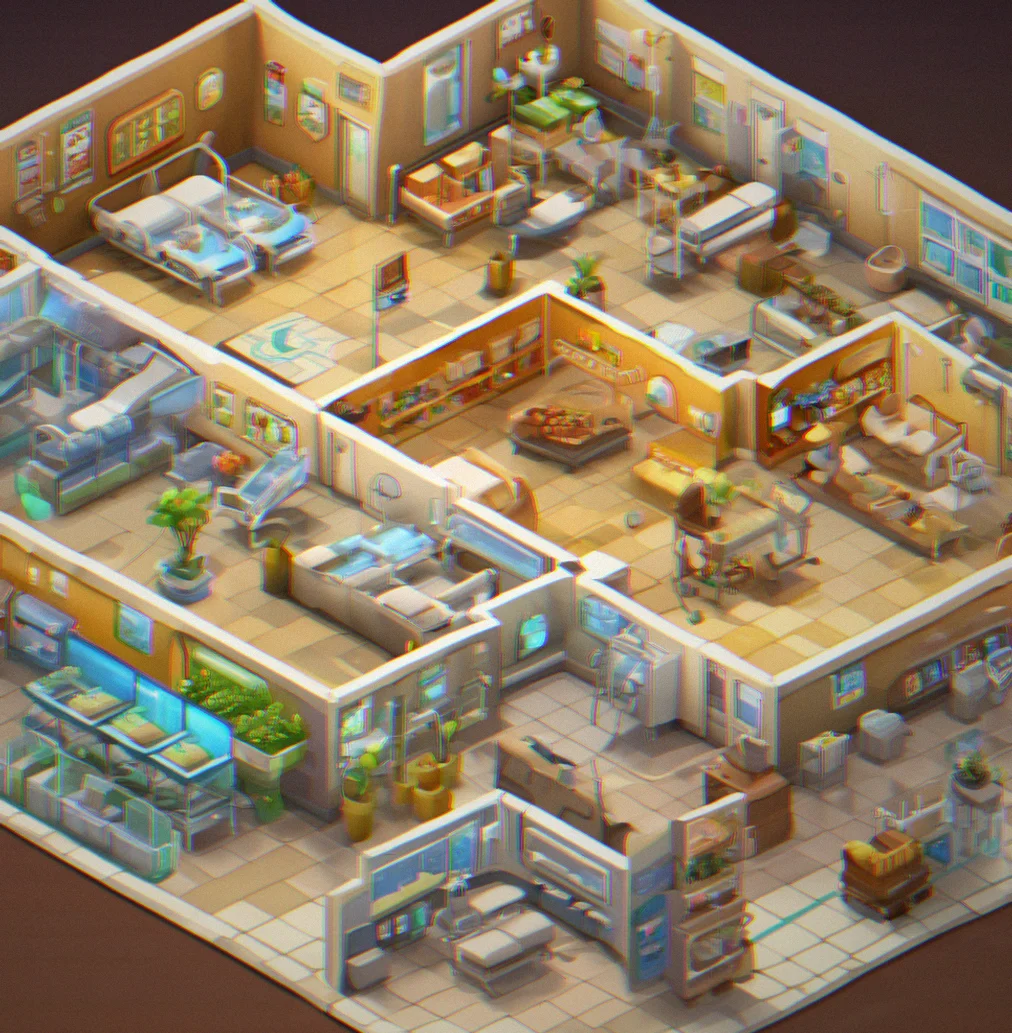
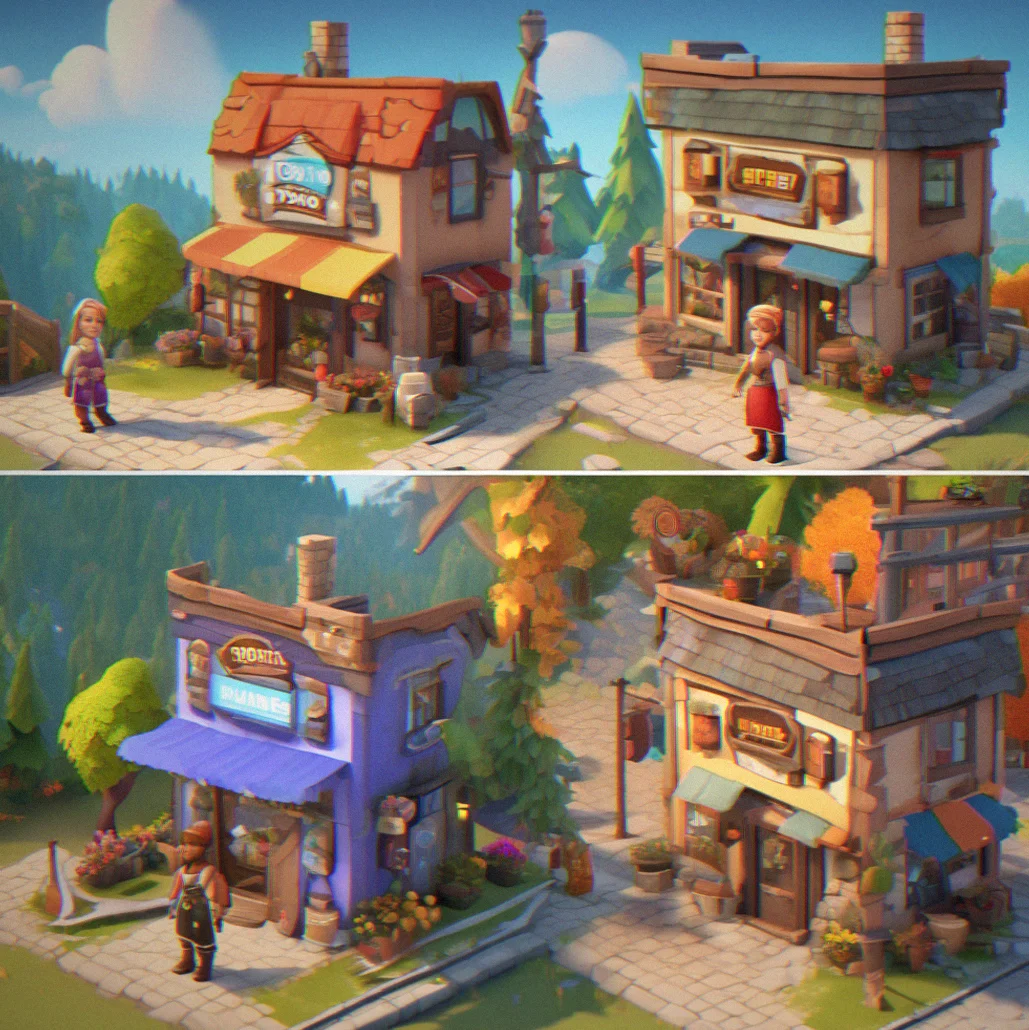
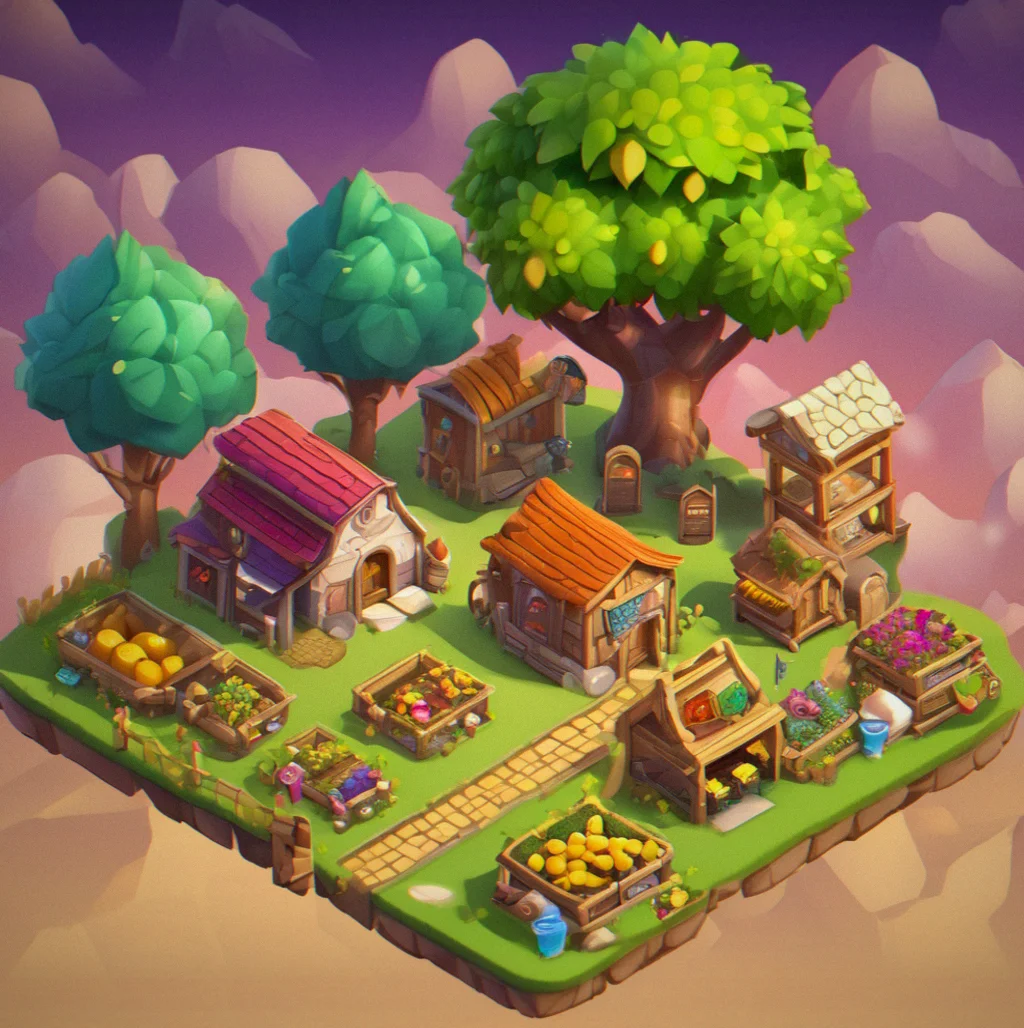
Seven mechanics that tie together to make progression feel satisfying instead of exhausting.
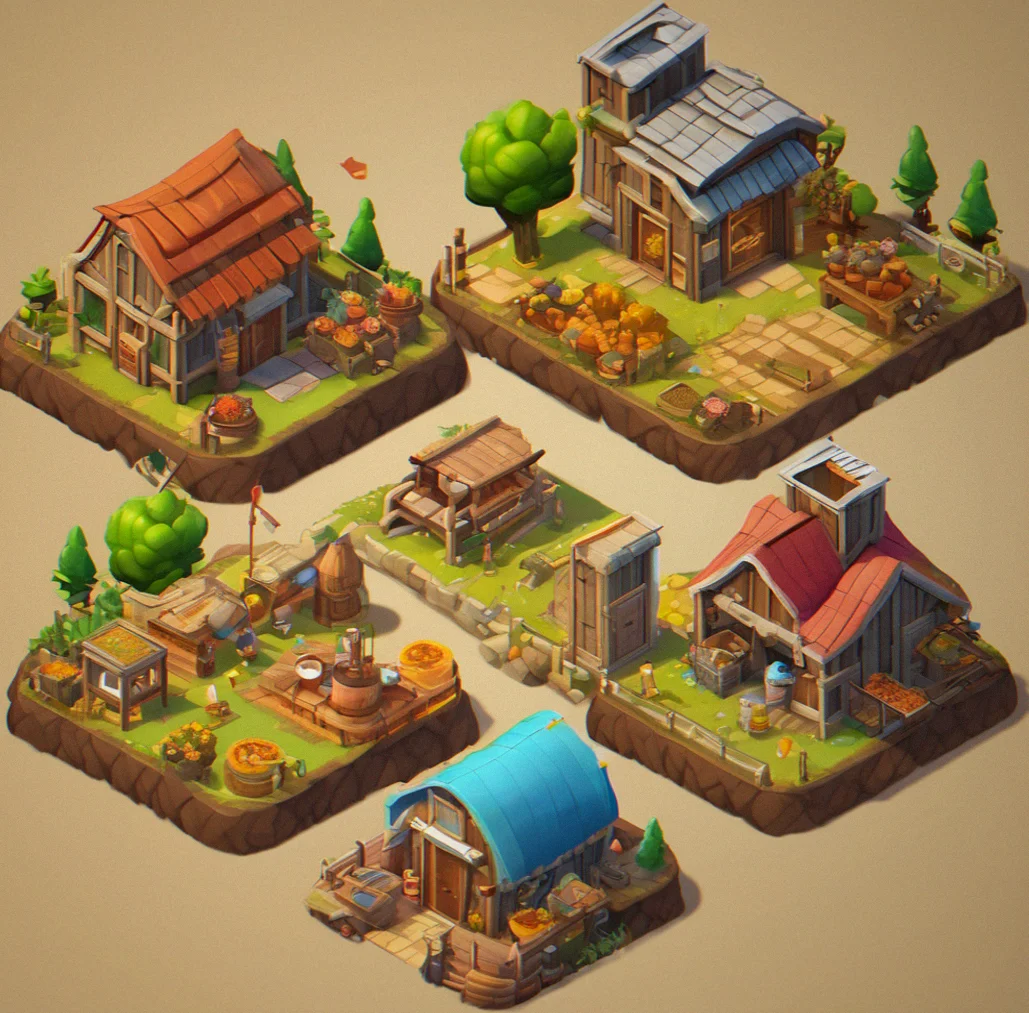
New crops, buildings, and cosmetics appear roughly every week to two weeks of regular play. That's about right if you're logging in daily for half an hour or so. Never feels like you're being rushed, never feels like you're stuck.
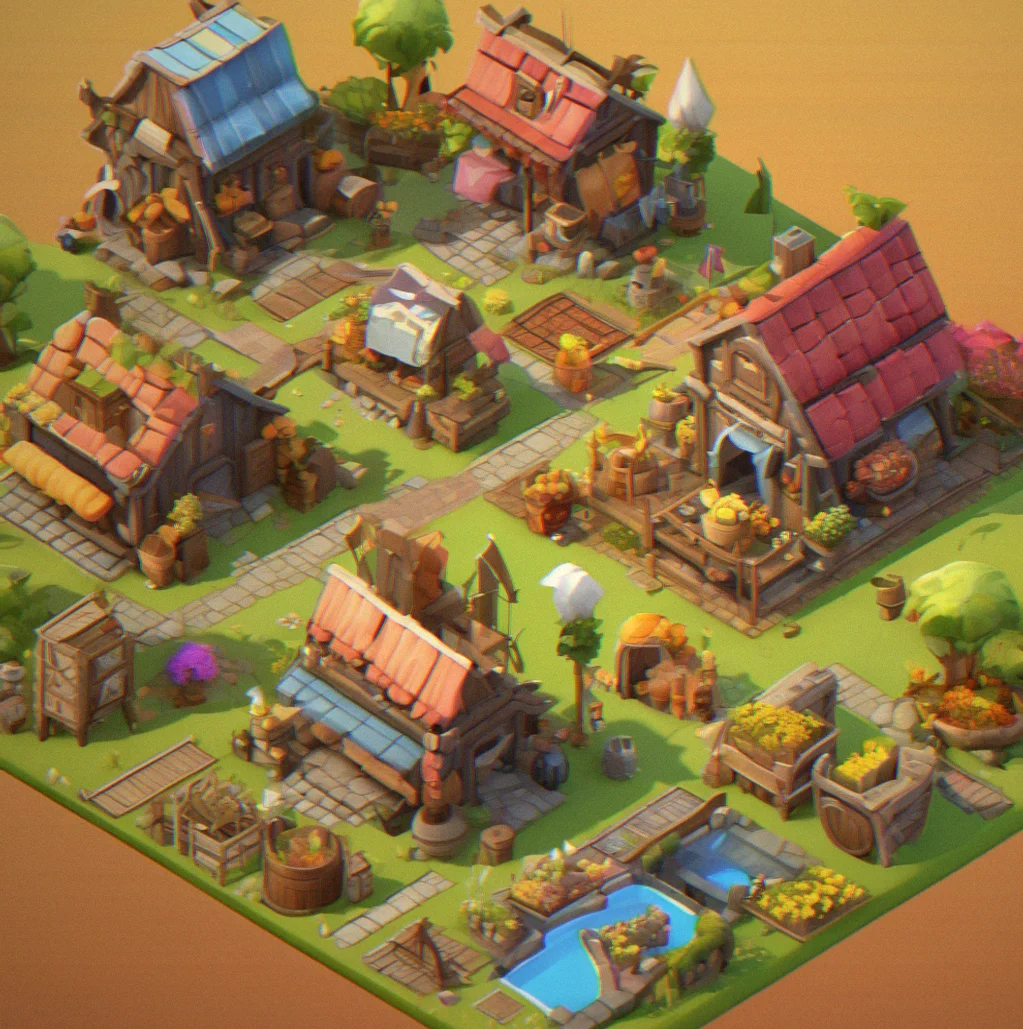
What you earn while offline depends entirely on the buildings you've unlocked and upgrades you've bought. Push harder during play and your passive earnings jump up. The baseline rewards are generous enough on their own though, so you're not forced into the grind.
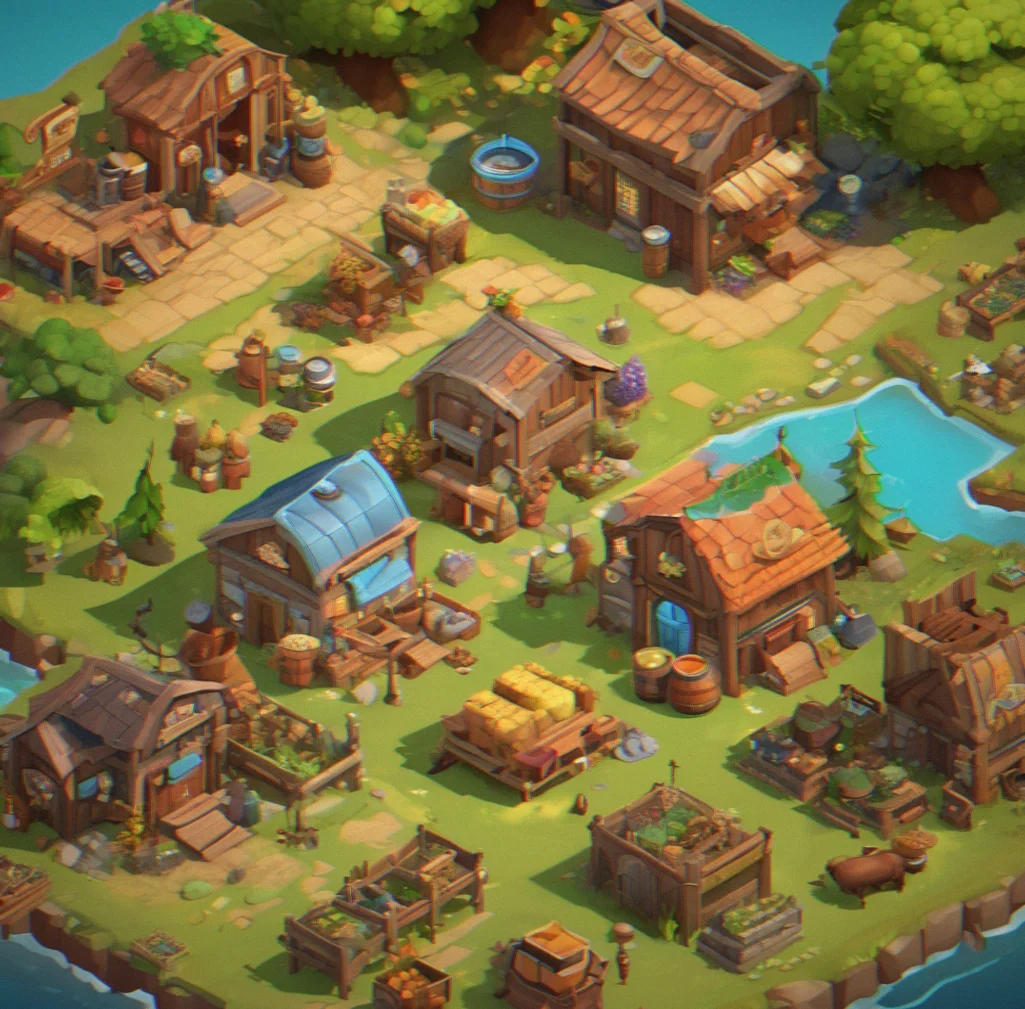
Decorations unlock building themes. Themes unlock cosmetics. Cosmetics tie to character progression. It's not just window dressing either—each choice you make actually changes how your world looks.
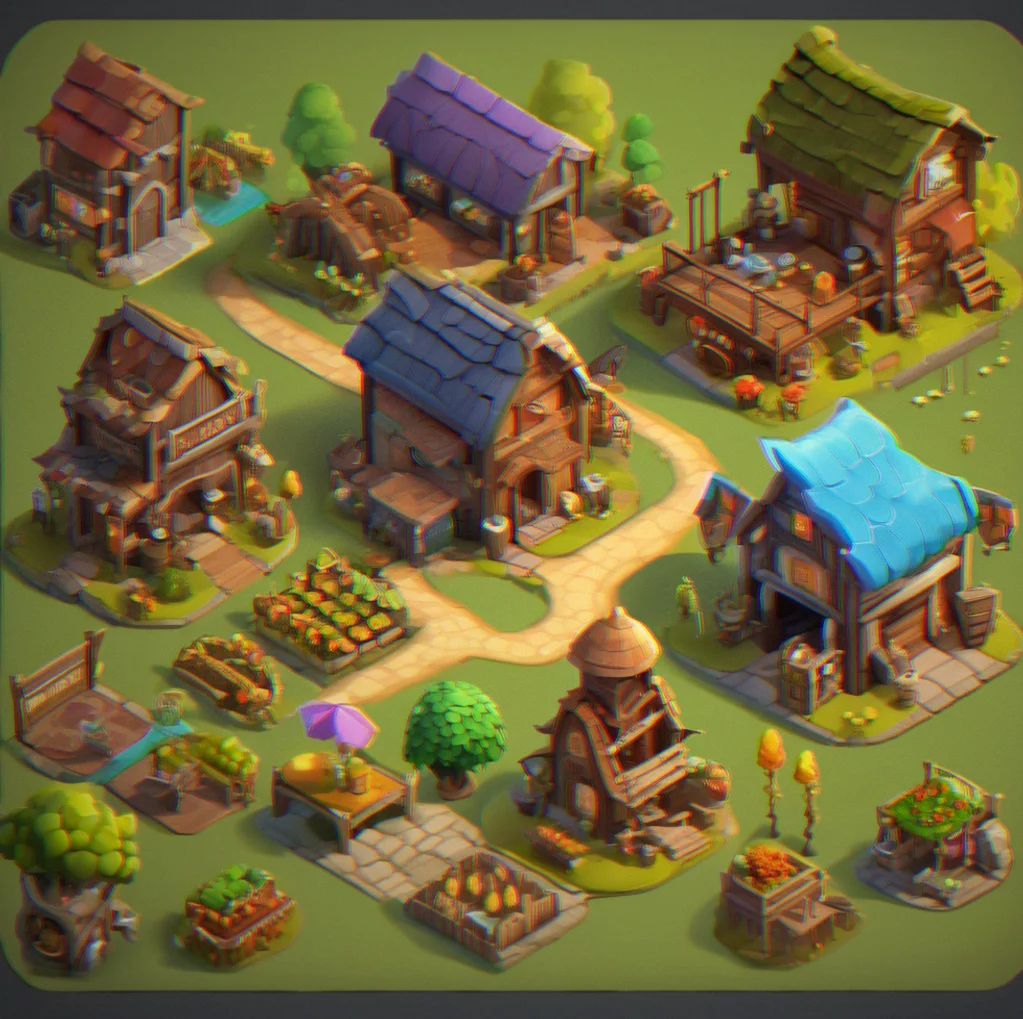
That first plot or building you placed doesn't become useless later on. You can upgrade it, layer new mechanics on top, customize it in different ways. It stays a core part of your farm layout.
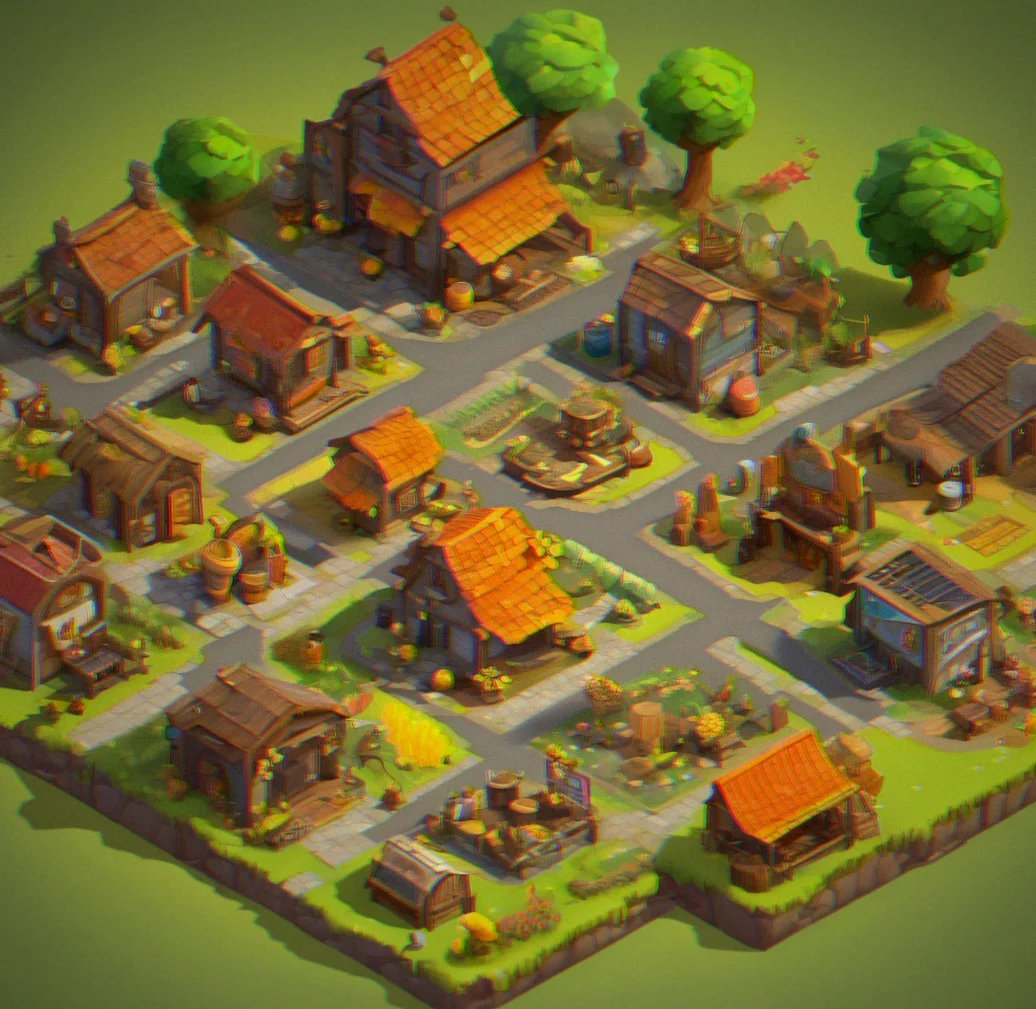
Log in whenever you feel like it. Progress on your own schedule. Nobody else's raid times matter. Since there's no competition tier, you're not forced to optimize for meta builds either. Just build what you actually want to look at.
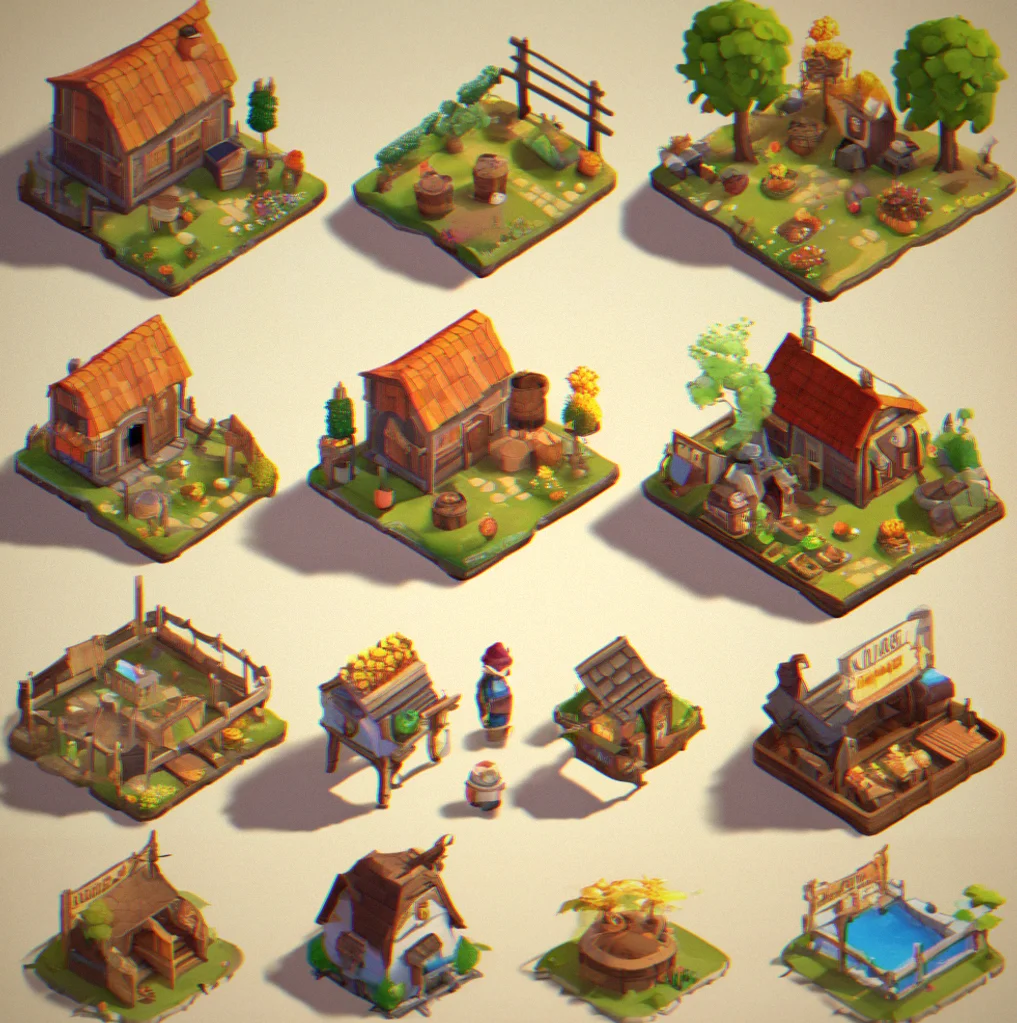
Drop in for three minutes or settle in for two hours. The game adjusts to whatever you're doing. Short sessions don't get punished on resource generation, and longer ones reward active play without locking casual players out. The idle earnings alone are enough that you feel like you're making progress even if you just check in quickly.
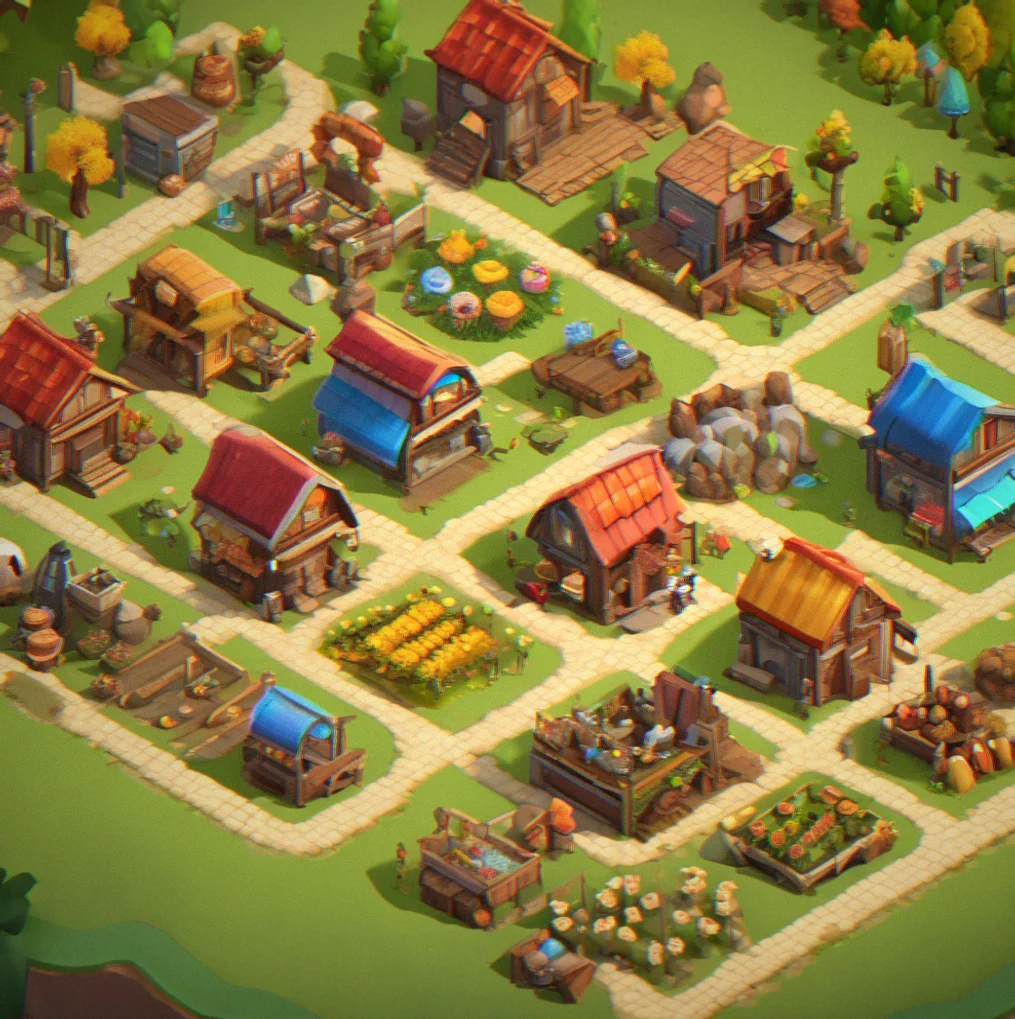
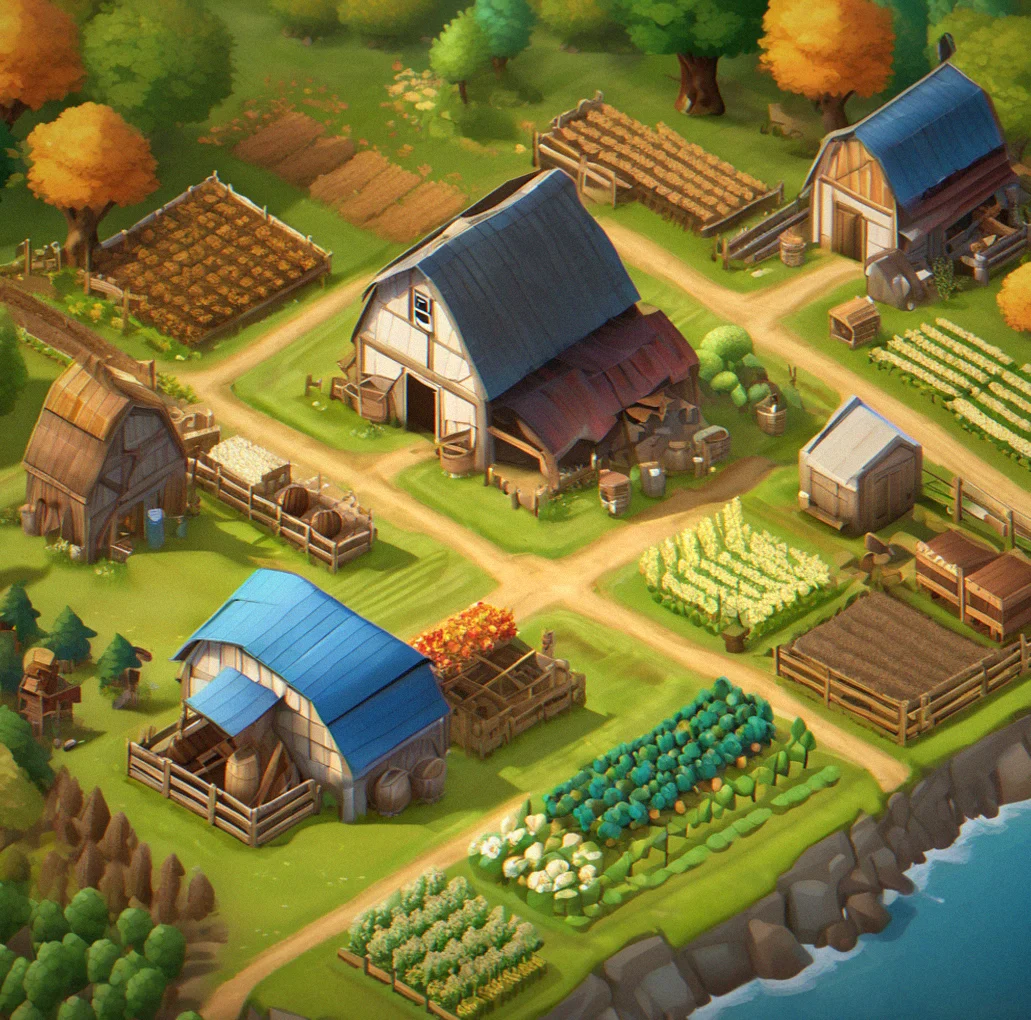
Paint the barns different colors. Arrange your plots however you want. Unlock outfit variants. Pick building styles. Stack decorations. The choices add up quickly. After a few weeks of play, your farm looks genuinely different from everyone else's.
You're not just slapping a coat of paint on a generic template. Every choice—barn colors, where your crops go, what you put where—feeds into how you progress and changes how the place feels to play. It's not decoration for its own sake.
Real questions from real players. No marketing spin — just direct answers about progression, customization, and whether you'll actually feel like you're making progress.
Not at all. The game's built so you hit major unlocks every week or two if you play for 30 to 60 minutes daily, and you don't need to spend a dime for that. The idle income handles resource generation on its own. Core gameplay stays free — you're only paying for cosmetics and convenience stuff if you want to. Plenty of people never spend anything.
Over 60 different choices you can make per game. Paint your barns in different colors. Pick building styles. Arrange how your plots sit on the land. Unlock whole decoration sets based on themes you choose. Layer cosmetics on top of each other. And it's not just window dressing either — these choices feed into your progression tree, so customizing actually opens up new content. That's what makes it matter.
There's no multiplayer, so nobody's racing ahead of you. Your idle income scales with whatever upgrades you've unlocked, which means stepping away for a few days still nets you real rewards just from sitting there. You do miss out on the active unlocks you would've grabbed, so there's reason to check back in regularly — but it's not punishing.
That's exactly where most idle games fall flat. This one ties idle mechanics to active progression instead. You grind to unlock new customization or buildings faster, which bumps up your idle income. The baseline idle rewards are generous enough that casual play alone feels like you're genuinely moving forward. Active play and idle rewards actually reinforce each other.
Your early structures stick around. They get upgrade tiers. They get cosmetic layers. Your first plot doesn't vanish when you unlock new ones — it becomes part of your overall layout as you keep building. That's the difference between progression that actually scales and progression that just makes you throw out everything you built last week.